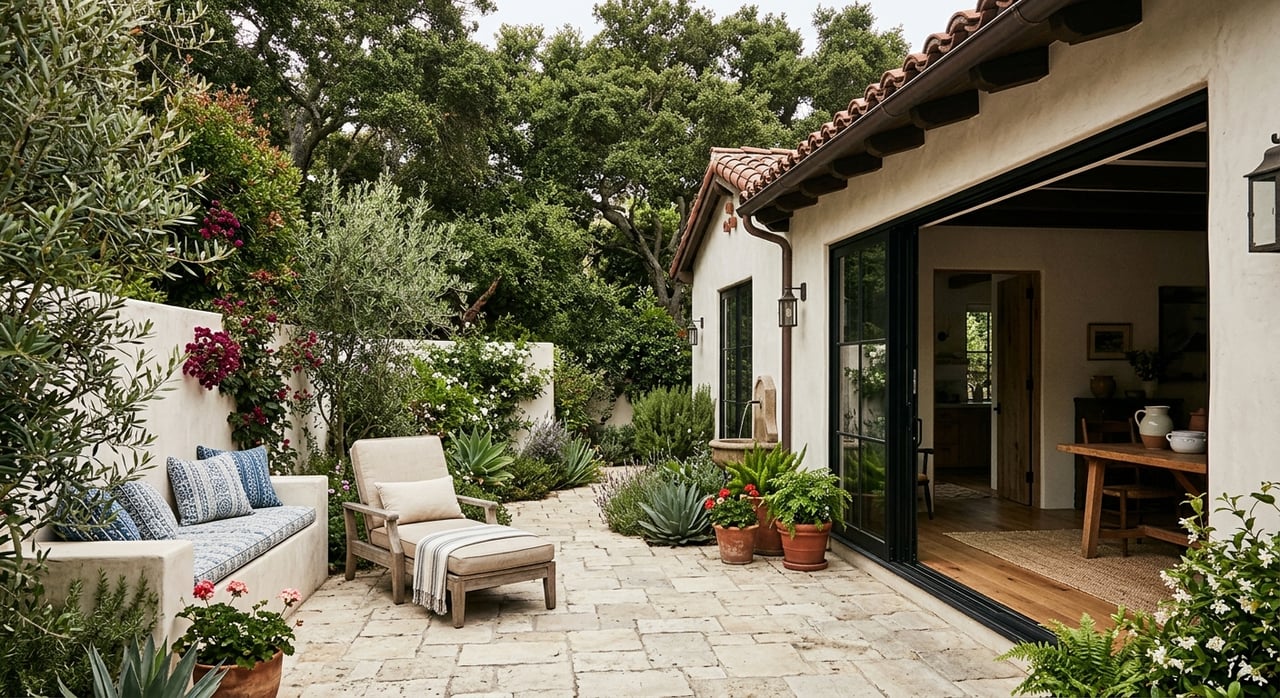
If you are dreaming about a second home on the Central Coast, Cambria stands out for a simple reason: it already fits the rhythm of part-time living. This is not a place that feels built around rush-hour traffic or big-city pace. It is a coastal town with a long history tied to recreation, visitors, and seasonal ownership, which makes it easier to picture how a second home can actually work here. Let’s dive in.
Cambria has a true second-home identity
Cambria has long been described as a tourism- and recreation-oriented community. San Luis Obispo County’s North Coast Area Plan points to the town’s natural setting, seashore, shops, restaurants, and visitor appeal as core parts of its identity.
That matters if you are considering a second home. You are not trying to force a vacation lifestyle into a town that functions mainly as a dense commuter market. In Cambria, seasonal ownership already has local history, with the county reporting that about 21% of homes were occupied seasonally in the 2000 census, and local planning materials still noting a high share of second or vacation homes.
The lifestyle feels easy to step into
One reason Cambria works so well for part-time ownership is that the town offers a clear, low-key lifestyle right away. Visit Cambria continues to promote the area around mild weather, cool coastal breezes, boutique shopping, local wine, history, art, and a quieter off-season feel.
For many buyers, that mix is the point. You can come for a long weekend or a longer stay and enjoy a place that feels active enough to be interesting, but calm enough to feel restorative.
Village scale supports part-time living
Cambria’s smaller scale is one of its biggest strengths. Compared with some other Central Coast destinations that are marketed around busy waterfront activity, promenades, or broader recreation hubs, Cambria feels more village-like and residential.
That smaller footprint can be especially appealing when you do not live there full time. It is easier to understand, easier to settle into, and often easier to enjoy without needing a packed itinerary every time you visit.
Arts and events add year-round appeal
Cambria also has a visible arts identity, which helps the town feel engaging beyond peak travel season. The Cambria Center for the Arts offers visual arts, performing arts, film arts, arts education, and an annual four-day film festival.
Town-wide events add to that atmosphere. Visit Cambria’s scarecrow coverage shows activity spread across East Village, West Village, Moonstone Beach Drive, and San Simeon, reinforcing that the town’s personality extends across multiple pockets rather than one single strip.
Different areas fit different goals
A good second-home market usually offers more than one way to live there. Cambria does that well, with neighborhoods and enclaves that support different kinds of part-time ownership experiences.
East Village fits a walkable small-town feel
Historic East Village is Cambria’s oldest core. Visit Cambria highlights preserved buildings and well-known landmarks such as Lull House, Mozzi’s Saloon, the Red House, and Heart’s Ease.
If you want a second home with a village atmosphere, this area may feel especially appealing. The setting supports a walkable, historic, small-scale experience that many buyers want when they picture a coastal retreat.
West Village offers a compact lifestyle hub
West Village feels more like a compact lifestyle zone. Local lodging descriptions place visitors close to tasting rooms, shops, restaurants, and the beach, all within a short walk.
For a second-home buyer, that can translate into convenience. If your goal is to arrive, park the car, and enjoy town with minimal planning, this part of Cambria may line up with that vision.
Moonstone and bluff areas feel like a getaway
If your ideal second home is more about views, shoreline access, and a classic getaway feel, Moonstone Beach, Marine Terrace, and Lodge Hill often stand out. The Moonstone Beach Boardwalk is described as a one-mile shoreline walk with tide pools, sea otters, whales, and dolphins.
Lampton Cliffs State Park, located near the Marine Terrace and Lodge Hill area, adds ocean-view benches and tide pools below the bluff. These are the kinds of features that help define a second-home purchase emotionally, not just financially.
The housing stock matches the use case
Cambria’s housing profile also helps explain why it performs well as a second-home market. San Luis Obispo County reported that about 93% of housing units were single-family detached, with a much smaller share of multifamily housing.
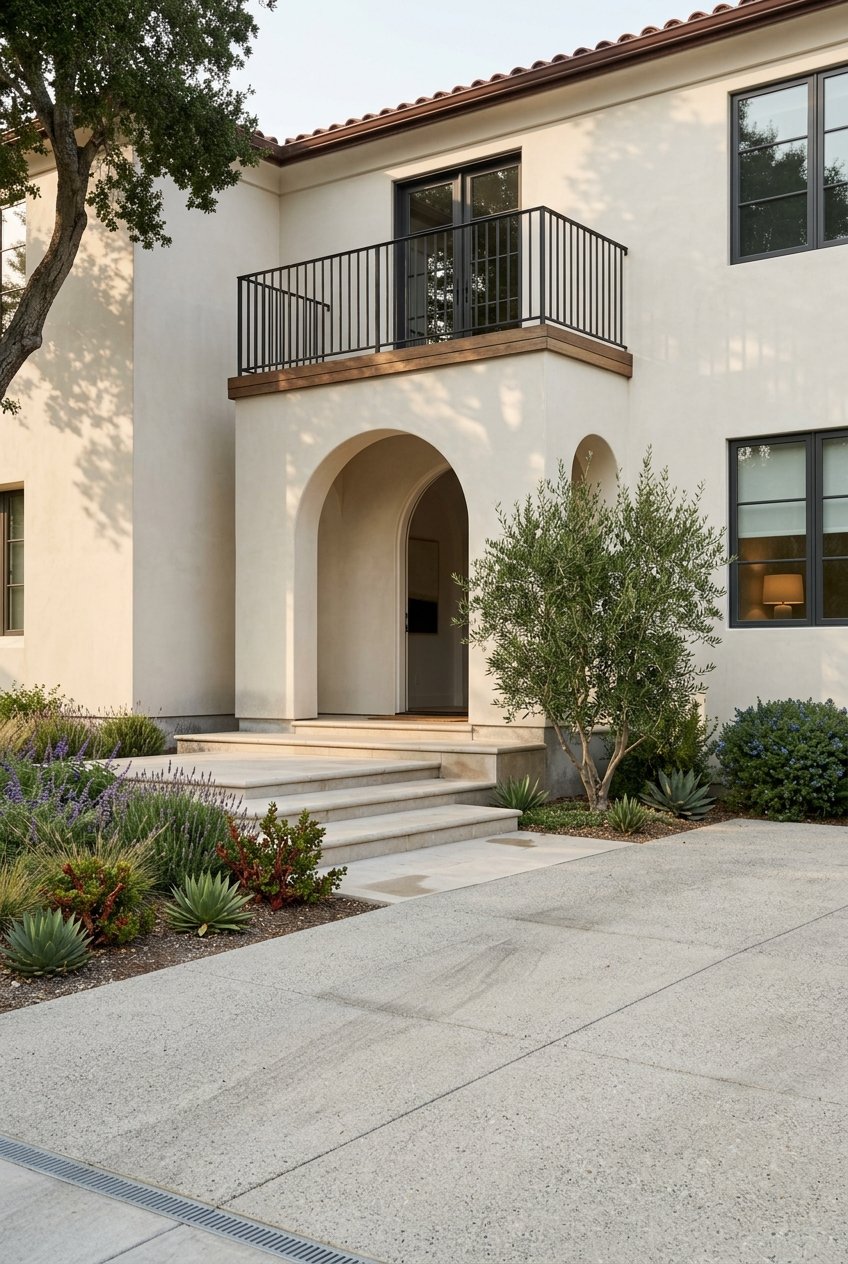
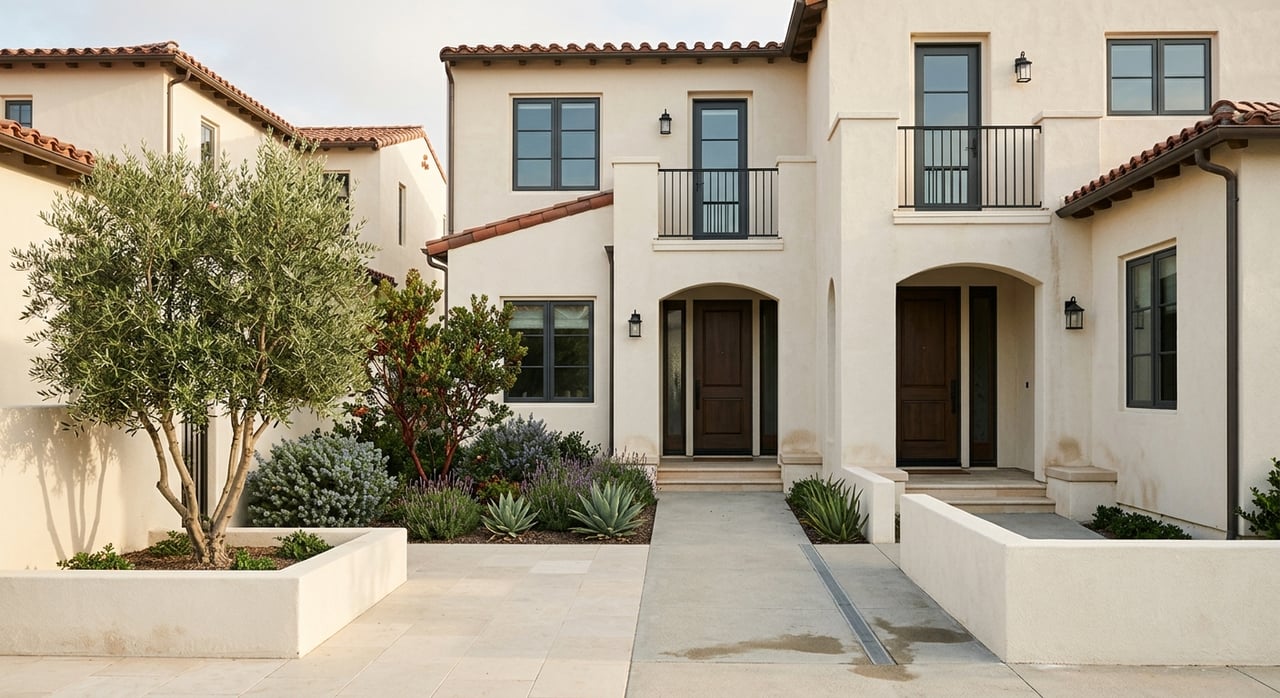
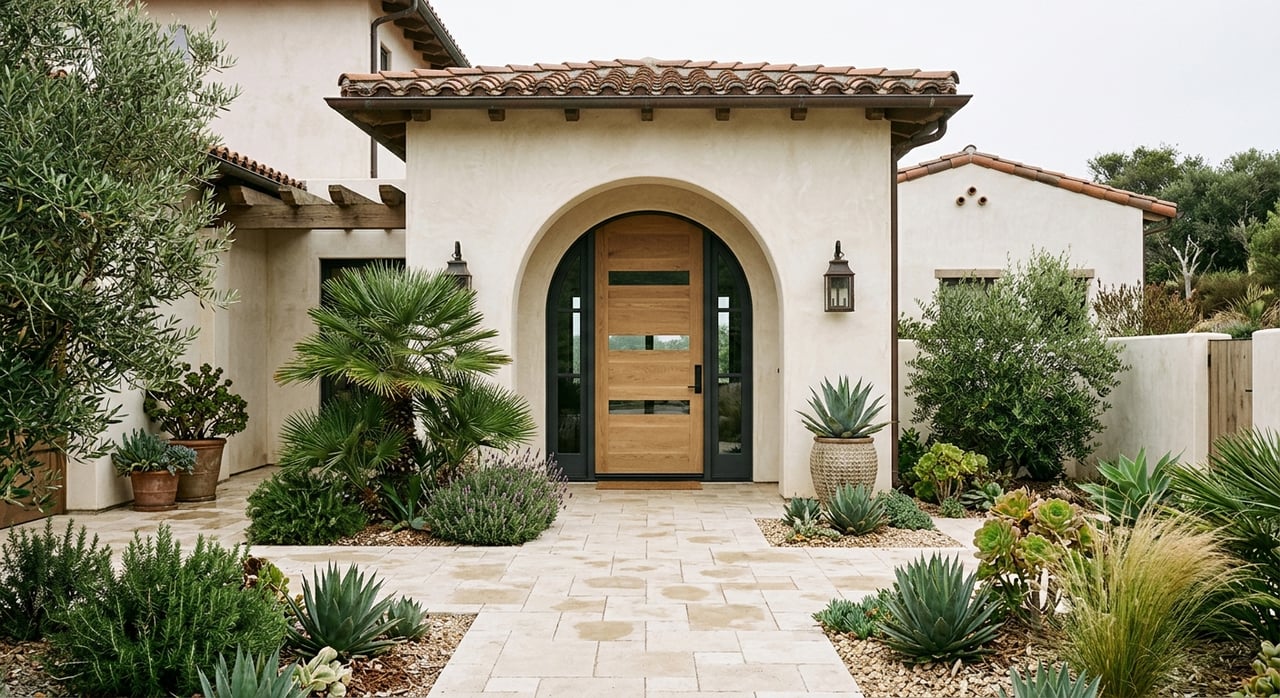
That gives the market a very different feel from condo-heavy vacation areas. In Cambria, the second-home inventory tends to skew toward detached houses, cottages, and view homes, which often suits buyers who want privacy, more outdoor space, or a home that feels distinct from a primary residence.
Expect a premium price point
Cambria is not an entry-level coastal market. Current pricing across major real estate portals places the town broadly in the low-to-mid seven figures, though exact numbers vary by source and timing.
Zillow reported an average home value of $1,008,576 and a median list price of $1,235,000 as of April 30, 2026. Realtor.com showed a median listing price of $1.224 million and a median sold price of $945,000 in April 2026, while Redfin reported a March 2026 median sale price of $900,000.
The practical takeaway is simple: you should approach Cambria as a premium coastal market. If you are comparing options on the Central Coast, it helps to plan for a budget that reflects the town’s scenery, housing style, and second-home demand.
Cambria feels different from other beach towns
Cambria’s appeal becomes clearer when you compare it with nearby coastal destinations. Pismo Beach is promoted around its regional beach, pier, promenade, volleyball courts, and recreation. Morro Bay highlights its beach-bay-harbor setting, bikeability, nightlife, and waterfront activity. Avila Beach emphasizes a sunny microclimate, promenade, aquarium access, dining, and resort-style lodging.
Cambria offers something different. Its advantage is its smaller scale, historic village core, arts identity, and immediate access to scenic bluffs, trails, and Moonstone Beach. If you want a second home that feels quieter and more rooted in place, that difference can be a major reason to buy here.
Due diligence matters in Cambria
Cambria is appealing, but it is not a market where you want to skip the practical details. Second-home buyers should understand water limits, maintenance needs, insurance realities, and vacation-rental rules early in the process.
Water is a major local factor
Water is one of the most important issues to understand before buying in Cambria. Cambria Community Services District says the town’s entire water supply comes from wells on San Simeon and Santa Rosa Creeks, rainfall is seasonal, a Water Code Section 350 emergency shortage was declared in 2001, and the moratorium on new water connections has not been lifted.
That means Cambria is generally much easier to approach as an existing-home market rather than a place to casually plan new construction. The district also requires high-efficiency water-use plumbing fixtures when existing homes change ownership, along with drought-conscious landscaping practices and watering restrictions.
Coastal homes need proactive maintenance
Ocean air is part of the appeal, but it also affects upkeep. FEMA notes that salt spray and onshore winds can accelerate corrosion of metal fasteners and connectors in coastal areas.
For you as a buyer, that means it is smart to pay close attention to decks, exterior hardware, connectors, and other exposed building materials. A second home can be easier to enjoy when you go in with a realistic maintenance plan from day one.
Fire and insurance need early review
Insurance should also be part of your early research. CAL FIRE explains that Fire Hazard Severity Zone maps classify areas as moderate, high, or very high, and San Luis Obispo County identifies Cambria as an urban/wildland interface community with greater fire needs.
The county also requires defensible-space inspection documentation for homes built before January 1, 2020 that are located in High or Very High fire zones. On the coverage side, the California Department of Insurance points homeowners toward wildfire-readiness resources and the FAIR Plan when private coverage is not available.
Vacation rentals have specific local rules
If you hope to offset costs with vacation-rental income, you need to verify compliance before you buy. San Luis Obispo County’s Coastal Residential Vacation Rental User Guide says Cambria vacation rentals require a zoning clearance, business license, and transient occupancy tax certificate if they comply with the county ordinance.
The same guide requires a 24-hour local contact, notification to neighboring owners within 200 feet, and on-site parking only. Occupancy is limited to two people per bedroom plus two additional people, and Cambria CSD also has a separate Vacation Rental Will Serve process tied to water and sewer review.
Why Cambria works overall
Cambria works as a second-home market because it combines the emotional and practical pieces buyers usually want in one place. You get a historic village setting, scenic shoreline access, a real arts-and-events identity, and a housing stock still shaped mostly by detached homes rather than large-scale multifamily development.
The trade-off is that ownership comes with important local considerations. Water supply, coastal wear, wildfire planning, insurance availability, and rental compliance all deserve serious attention. When you understand those factors up front, Cambria can be a much more confident and rewarding place to buy.
If you are weighing whether Cambria fits your goals, the answer often comes down to what kind of second home you want. If you are looking for a quieter Central Coast escape with character, scenery, and a long-standing culture of seasonal ownership, Cambria makes a strong case.
When you are ready to explore Cambria with local guidance and a high-touch strategy, connect with Ronca Real Estate to schedule a consultation with Tracy and Stephanie.
FAQs
What makes Cambria different from other Central Coast second-home markets?
- Cambria offers a smaller-scale, village-like setting with historic areas, arts and events, and direct access to scenic shoreline and bluffs, rather than a more activity-heavy beach-town feel.
What types of homes are common in Cambria for second-home buyers?
- Cambria’s housing stock has historically been dominated by detached single-family homes, so second-home options often include cottages, view homes, and standalone houses rather than a large condo inventory.
What price range should you expect for a second home in Cambria?
- Current market data suggests Cambria commonly falls in the low-to-mid seven figures, with recent median list and sale figures varying by source and timing.
What should buyers know about water rules in Cambria?
- Cambria relies on local creek well supplies, remains under a long-standing new water connection moratorium, and requires certain water-efficiency updates and water-use practices, which makes existing homes especially important to evaluate carefully.
Can you use a Cambria second home as a vacation rental?
- Possibly, but only if the property complies with county and local requirements, including zoning clearance, a business license, a transient occupancy tax certificate, a local contact, parking standards, and water and sewer review.
What ownership risks should second-home buyers review in Cambria?
- Buyers should review coastal maintenance needs related to salt-air corrosion, wildfire zone and defensible-space requirements, and insurance availability before moving forward.