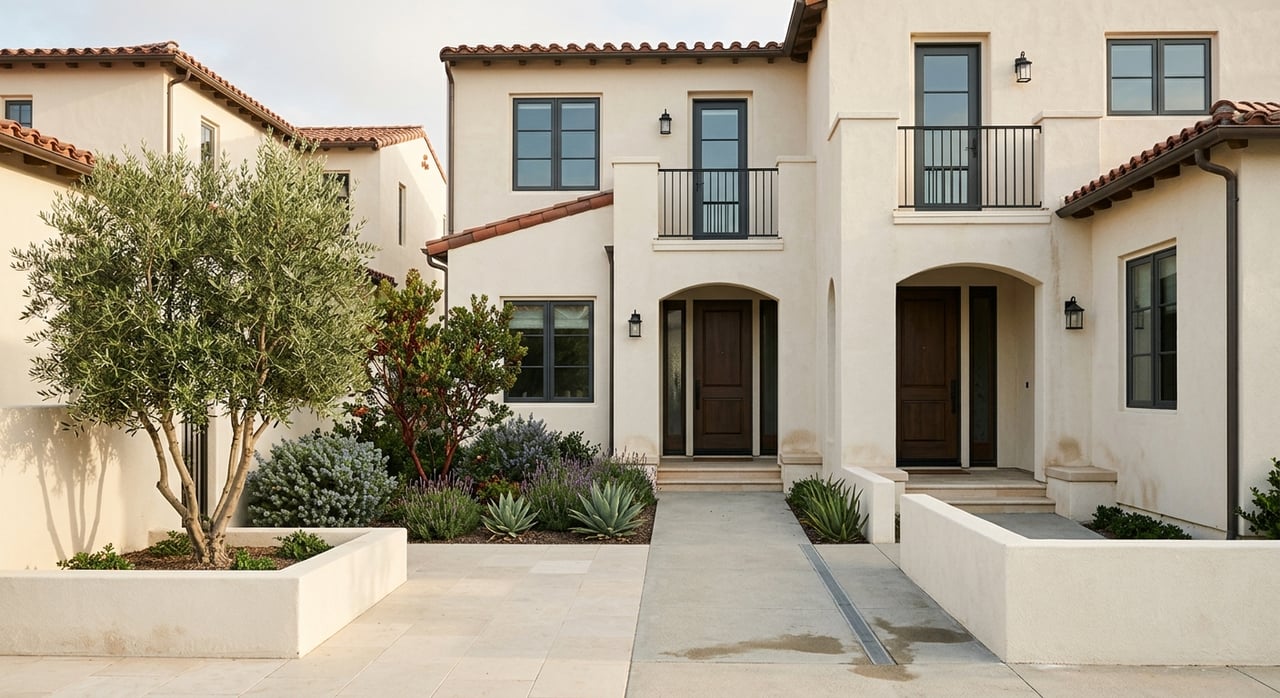
Dreaming about a place near the coast without spending your weekends on yard work and exterior upkeep? In Pismo Beach, condos and townhomes can offer a practical path to enjoying the Central Coast lifestyle with less hands-on maintenance. If you are weighing convenience, costs, and ownership details, this guide will help you understand what to look for and what questions to ask before you buy. Let’s dive in.
Why Pismo Beach fits low-maintenance living
Pismo Beach has a strong appeal for buyers who want coastal access and a simpler day-to-day routine. The city’s Planning Division says Pismo Beach is working to allow new and infill development while preserving its small coastal town image and character. That balance helps explain why attached housing options can feel like a natural fit here.
The area’s public amenities also add to the appeal. The city describes its main beach and promenade area as a 60-acre regional beach with restrooms, sand showers, volleyball courts, children’s play equipment, benches, and drinking fountains. California State Parks also notes that Pismo State Beach includes accessible coastal trails, fishing piers, and the Monarch Butterfly Grove.
For many buyers, that means you may be able to enjoy the benefits of the location without taking on the full maintenance load of a detached home. If your goal is more lock-and-leave flexibility, a condo or townhome may be worth a closer look.
What low-maintenance really means
Low-maintenance living does not mean maintenance-free living. It usually means that some responsibilities shift from you alone to a homeowners association, often called an HOA. That can reduce your personal to-do list, but it also adds shared costs and community rules.
In practical terms, you may spend less time thinking about exterior care in common areas and more time reviewing budgets, rules, and long-term repair planning. That trade-off works well for some buyers, especially if convenience is a top priority.
Condo vs. townhome ownership
Ownership matters more than style
One of the biggest misconceptions is that the look of the property tells you everything. In California, the Department of Real Estate explains that common-interest developments are defined by ownership rights, not by physical design or architectural style.
That means a property that looks like a townhouse may still involve common-interest development rules that affect how ownership works. Before you fall in love with the exterior, make sure you understand exactly what you own and what is shared.
How condo ownership usually works
In a condominium, you typically own the unit itself and share ownership of the common area. HOA membership is automatic and cannot be separated from ownership. This is important because your rights and responsibilities are tied to the association from day one.
The California Attorney General explains that HOAs are usually governed by a board and controlled through CC&Rs, bylaws, and rules and regulations. Those documents shape how the community operates and what owners can expect.
What HOA dues usually cover
Monthly dues are one of the biggest factors in evaluating a Pismo Beach condo or townhome. According to the California Department of Real Estate buyer guide, HOA budgets generally include:
- Fixed costs
- Operating costs
- Reserves
- Administration
- Contingency
Reserve items can include things like painting, roofing, lighting, carpet, pools, furniture, and paving. In other words, your dues are not just about current services. They also help fund future repairs and replacements.
This is where the dues-to-benefit trade-off matters. A community with more shared services or amenities may offer convenience, but you will want to decide whether the monthly cost aligns with how you plan to use those features.
Special assessments and fee increases
A low-maintenance property can still bring surprise costs if the association is not adequately funded. Boards may levy special assessments for major repairs, replacements, or unexpected expenses, subject to California limits.
California law generally limits annual regular assessment increases to 20% without member approval. It also generally caps special assessments at 5% of budgeted gross expenses without member approval. Even with those limits, buyers should review the budget and reserve picture closely before moving forward.
How condos and townhomes compare to single-family homes
For many buyers, the main advantage of a condo or townhome is lifestyle simplicity. Shared-area maintenance and a more lock-and-leave setup can be especially appealing if you are buying a second home, downsizing, or trying to keep your schedule flexible.
The trade-offs are just as important to understand. Compared with a single-family home, you will likely have ongoing dues, community rules, and the possibility of future fee increases or special assessments.
Here is a simple comparison:
| Housing Type | Potential Benefits | Potential Trade-Offs |
|---|---|---|
| Condo or Townhome | Less hands-on shared-area maintenance, easier lock-and-leave lifestyle, access to community-managed features | HOA dues, community rules, possible special assessments |
| Single-Family Home | More direct control over property decisions | More personal responsibility for maintenance and upkeep |
Neither option is automatically better. It comes down to how you want to live, how involved you want to be in upkeep, and how comfortable you are with shared decision-making.
Documents to review before you buy
If you are serious about a condo or townhome in Pismo Beach, document review is essential. California law requires a seller of a separate interest to provide prospective buyers with several key HOA documents and disclosures.
These include governing documents, the most recent annual budget report, current assessment and fee information, unpaid amounts, unresolved violation notices, and certain defect disclosures. For buyers, this paperwork can reveal whether the community is financially stable and well managed.
Key HOA documents to read carefully
Pay close attention to the following:
- CC&Rs
- Bylaws
- Rules and regulations
- Most recent annual budget report
- Current assessment and fee information
- Any unpaid amounts tied to the property
- Unresolved violation notices
- Required defect disclosures
The annual budget report must include a pro forma operating budget, a reserve summary, a reserve funding plan, whether repairs are being deferred, whether special assessments may be needed, and any outstanding association loans. The full reserve plan is available to members on request.
Why reserve planning matters
Reserve planning can tell you a lot about the health of an HOA. California law requires periodic visual inspection of major components as part of the reserve study process. That means associations are expected to actively evaluate future repair and replacement needs over time.
If a community has major components aging at the same time, that may affect future dues or assessments. Looking at reserves is one of the best ways to understand whether today’s monthly payment may change later.
For new construction, ask about the public report
If you are considering new construction, another useful document is the California Department of Real Estate public report. This report summarizes location, services, title matters, and HOA information before contract signing.
That extra layer of disclosure can help you compare options more clearly, especially if you are choosing between a newly built property and a resale unit.
Smart questions to ask about a Pismo Beach HOA
Before you make an offer, it helps to move beyond surface-level details. A well-presented property can still come with rules or financial obligations that affect your day-to-day experience.
Consider asking questions like these:
- What do the monthly dues currently cover?
- How much is set aside in reserves?
- Are any major repairs being deferred?
- Has the HOA discussed a future special assessment?
- Are there outstanding association loans?
- What rules apply to use, design changes, or daily living?
- Are there unresolved violation notices connected to the property?
These questions can help you compare one community to another on more than just appearance or price.
Who often benefits most from this lifestyle
Condos and townhomes can be a strong fit if you value convenience and predictability. Buyers who want coastal living without full exterior upkeep often appreciate the simpler ownership structure, especially when they spend time away from home or prefer fewer maintenance tasks.
This style of living may also appeal if you are downsizing from a larger property and want to keep your focus on lifestyle rather than upkeep. The key is making sure the community’s costs, rules, and management style match your goals.
A practical way to evaluate your options
When you tour properties in Pismo Beach, it helps to look at each option through two lenses at once. First, ask whether the home itself fits your needs. Second, ask whether the HOA structure supports the kind of ownership experience you want.
A beautiful unit near the coast may still be the wrong fit if the dues feel too high for the value offered or if the rules are more restrictive than you expected. On the other hand, a well-managed community with clear finances may offer exactly the ease and peace of mind you are looking for.
If you are exploring condos or townhomes in Pismo Beach, working with a local team that understands both the housing stock and the documents behind it can make the process much clearer. For personalized guidance on coastal properties in San Luis Obispo County, request a consultation with Ronca Real Estate.
FAQs
What makes Pismo Beach condos and townhomes low-maintenance?
- Pismo Beach condos and townhomes can reduce hands-on upkeep because maintenance for shared areas is typically managed through an HOA, which supports a more lock-and-leave lifestyle.
What is the difference between a condo and a townhome in California?
- In California, the key difference is the ownership structure, not the exterior style, because common-interest developments are defined by ownership rights and shared common areas rather than architecture alone.
What do HOA dues usually cover in a condo or townhome?
- HOA dues generally help cover fixed costs, operating costs, reserves, administration, and contingency, with reserves often funding future items like roofing, painting, lighting, paving, and other shared components.
What HOA documents should buyers review before buying in Pismo Beach?
- Buyers should review the governing documents, annual budget report, assessment and fee information, unpaid amounts, unresolved violation notices, required defect disclosures, and for new construction, the California Department of Real Estate public report.
Can HOA fees increase in California common-interest developments?
- Yes, HOA fees can increase, but California law generally limits annual regular assessment increases to 20% without member approval and generally caps special assessments at 5% of budgeted gross expenses without member approval.
Are condos and townhomes better than single-family homes in Pismo Beach?
- Condos and townhomes are not automatically better, but they can be a better fit if you want less hands-on maintenance and are comfortable with HOA dues, shared rules, and community decision-making.