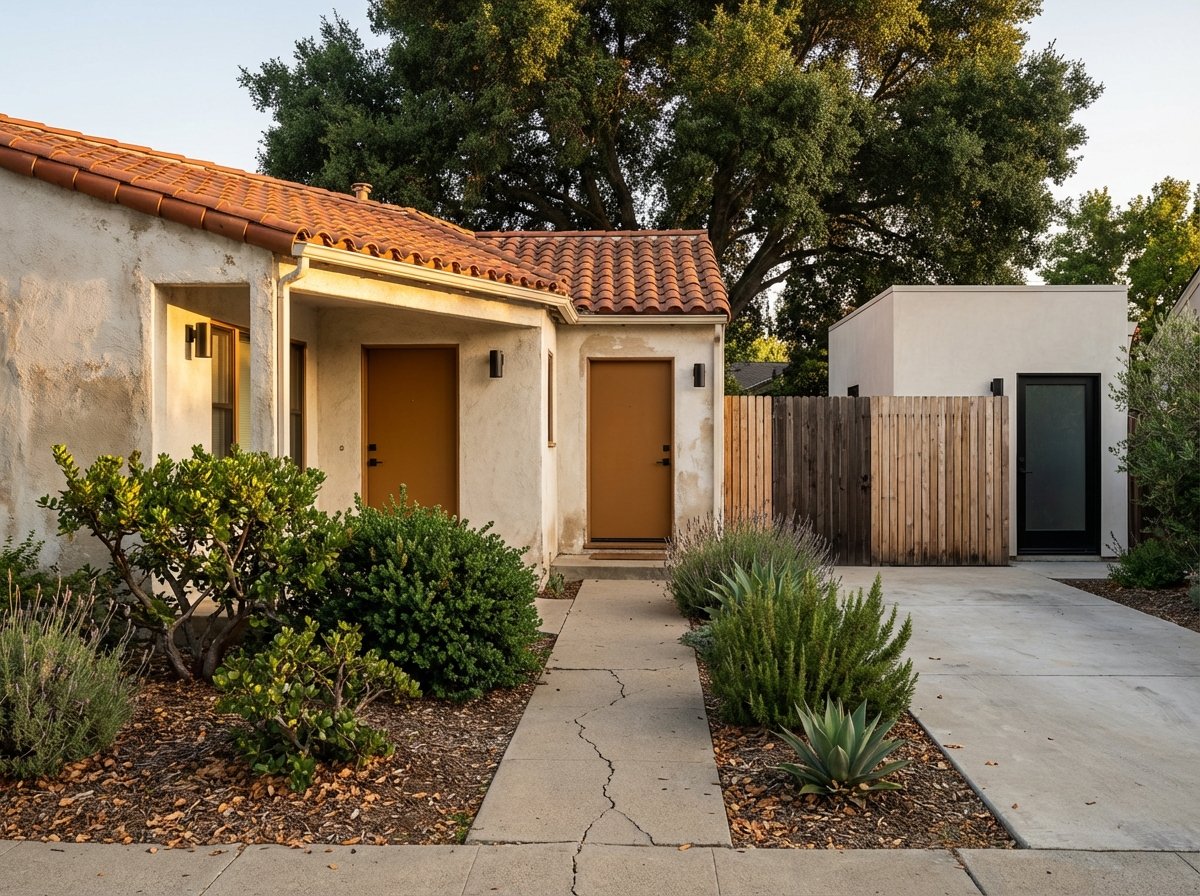
Looking for a coastal investment that can live and earn at the same time? In Grover Beach, duplexes and ADUs can create flexible income, whether you plan to house hack or hold as a long‑term rental. With a small, balanced market and streamlined ADU rules, you have room to build a plan that fits your goals. In this guide, you will learn the local rent picture, what the code allows, how short‑term rental rules affect returns, and the steps to move forward with confidence. Let’s dive in.
Why Grover Beach works for small multi and ADUs
Grover Beach is a compact coastal city of roughly 12.5 to 12.7 thousand residents, with an owner and renter share that sits near a 50/50 split, which supports steady rental demand. You can confirm the city’s scale and housing mix in the U.S. Census QuickFacts for Grover Beach. Census data is a helpful starting point when you size the market.
Rents are meaningful for underwriting. As of mid‑February 2026, the rolling median rent across property types in Grover Beach is about $2,595 per month, with one‑ and two‑bedroom averages in the low to mid‑$2,000s. Active rental inventory is thin, which can signal low vacancy but also month‑to‑month volatility in small samples. See the current read on Zumper’s Grover Beach rent research.
Sale prices for homes in the city have generally sat in the mid‑$700,000 to low‑$800,000 range in recent reporting. For duplex and triplex targets, plan on MLS‑verified comps to price accurately.
Duplex or ADU: choosing your path
- Owner‑occupied duplex or triplex. You live in one unit and rent the others. This approach can qualify for owner‑occupant financing, including FHA options, and avoids short‑term rental complexity.
- Non‑owner small multi. Higher down payments and stricter underwriting are common for investment loans. Your returns will depend on long‑term rents, and any short‑term rental plan must fit the city’s permit caps.
- Single‑family with an ADU. In Grover Beach, ADUs are largely a long‑term rental play. They can lift cash flow, add flexibility for future resale, and often permit faster when you use the city’s pre‑approved plans.
ADU rules in Grover Beach
Sizes and heights
Grover Beach aligns with California’s streamlined ADU standards. Detached ADUs commonly cap at 850 to 1,200 square feet depending on bedroom count, with typical detached height up to 16 feet; attached and over‑garage ADUs may reach up to 25 feet in some conditions. Always confirm the exact limits for your lot on the city’s ADU page. Review the current guidance on Accessory Dwelling Units in Grover Beach.
How many you can build
On a standard single‑family lot, you can generally build one ADU and may also add a JADU subject to specific rules. Different limits and allowances apply on multi‑unit or mixed‑use sites. The details live in Article IX, Chapter 4 of the city’s Development Code. See the code document for definitions and exceptions in Chapter 4 of the Development Code.
Streamlined process and plans
Grover Beach provides ministerial checklists and pre‑designed plan sets to shorten permitting timelines and reduce design costs. This helps you forecast schedule and soft costs with more confidence. Start on the city’s Development Code landing page and the ADU program page for current forms and plan options.
Coastal Zone check
If your parcel sits inside the Coastal Zone, additional steps may apply before you can build. Confirm the parcel’s zone and Coastal Zone status early, then contact Community Development for a pre‑application conversation. You can find contacts and links on the city’s Development Code page.
Where duplexes fit in the zoning
Grover Beach’s code anticipates small attached multi‑unit projects and includes a dedicated section on Two‑Unit Housing Developments in the R1, CR1, and CPR1 zones. Whether you can add or convert to a duplex without discretionary review depends on your parcel’s zone and Coastal Zone status. Read the relevant standards in Article IX, Chapter 4 of the Development Code.
Use this quick checklist before you run numbers:
- Verify your parcel’s base zone and any overlay.
- Confirm if it lies inside the Coastal Zone.
- Ask Community Development about objective design standards and ministerial paths that may apply to two‑unit projects.
The city’s Development Code hub is your starting point for maps and contacts.
Short‑term rentals: what can change your numbers
Short‑term rentals are allowed in Grover Beach by permit, with operating standards, occupancy limits, and enforcement rules. Non‑owner permits are capped at 40 in the Coastal Zone and 60 outside the Coastal Zone, and new applications go to a waitlist once caps are reached. Owner‑occupied STRs are not subject to a numerical cap. See permit types, caps, and standards in the city’s Short‑Term Rental resources and the ordinance text in Chapter 4.
ADUs are generally not permitted to operate as short‑term rentals in Grover Beach, except where a specific exemption applies. If your plan relies on an ADU as a vacation rental, you should expect that to be disallowed. The code also requires a local contact who can respond quickly to complaints, which adds management needs and cost for non‑resident owners.
Nearby cities tell a different story. Pismo Beach paused new STR licenses in late 2023, which effectively closes new non‑owner entries until policy changes. Review the City’s position on Pismo Beach’s STR page. In the City of San Luis Obispo, non‑owner vacation rentals are generally prohibited in most residential areas, while owner‑occupied homestays are distinct and regulated. ADUs and JADUs cannot be used as STRs there. See the SLO municipal code on homestays and vacation rentals.
Taxes and fees that affect net income
If you operate an approved short‑term rental, you must register and remit transient occupancy tax. In much of San Luis Obispo County, expect a 9 percent TOT plus a 1.5 percent TMD, and some districts add a separate tourism assessment. Check registration and remittance steps with the county’s tax portal on the SLO County Tax Collector services page. For ADUs, plan review and possible connection or impact fees can apply in limited cases. The city’s ADU page posts current guidance and plan options that can reduce soft costs.
Financing and underwriting basics
If you plan to live in one unit, FHA allows owner‑occupied purchases of 2 to 4 units with low down payment options, subject to county loan limits and lender overlays. For 3 to 4 unit properties, lenders may require reserves and apply a self‑sufficiency test that compares projected rents to PITI. Start by confirming today’s limits for San Luis Obispo County on the CFPB’s FHA loan limit guide, then request a lender pre‑approval tailored to a two‑unit scenario.
Due diligence checklist
- Confirm zoning and any Coastal Zone status for your parcel.
- Read the Two‑Unit Housing and ADU sections of the Development Code.
- Verify current STR permit availability and caps, and factor TOT into any STR pro forma.
- Pull recent duplex and triplex comps through the MLS for Grover Beach and adjacent blocks.
- Verify legal unit count through city records. If a unit was built without permits, ask about any available legalization paths.
- Get insurance quotes that reflect coastal and multi‑unit or ADU configurations.
- Review utility capacity and potential connection or impact fees for ADUs.
Three strategy paths to consider
- House hack a duplex. Purchase a two‑unit property, live in one, and lease the second unit at market rate. In Grover Beach, a median rent near $2,595 gives you a conservative starting point to test debt coverage in your model. Adjust for unit size, condition, and exact location.
- Add a long‑term ADU. Buy a single‑family home with a suitable lot and use the city’s pre‑approved ADU plans to speed delivery. Underwrite the ADU as a long‑term rental, since ADUs are generally not eligible for short‑term rentals in Grover Beach.
- Hold a small multi. Target a duplex or triplex with stable long‑term leases. Given limited STR permit availability, base returns on 12‑month leases and treat any STR potential as upside only if fully permitted.
Work with a local team
You do not have to decode the rules alone. A smart plan combines the right parcel, a clear reading of ADU and duplex allowances, and financing that matches your timeline. If you are weighing a duplex purchase, an ADU build, or both, connect with the local team that handles small multi and investor deals across the Central Coast. Request a personalized market valuation or schedule a consultation with Tracy and Stephanie at Ronca Real Estate.
FAQs
What are typical rents in Grover Beach for underwriting?
- As of February 2026, the rolling median rent across property types is about $2,595 per month, with thin active inventory that can make month‑to‑month data volatile. See Zumper’s rent research for current figures.
Can I use an ADU as a short‑term rental in Grover Beach?
- Generally no. Grover Beach’s code disallows ADUs as short‑term rentals except for narrow exemptions, so plan to lease ADUs to long‑term tenants. Review the rule language in Chapter 4 of the Development Code.
Are non‑owner short‑term rental permits available in Grover Beach?
- The city caps non‑owner STR permits at 40 in the Coastal Zone and 60 outside it. New applications go to a waitlist when caps are full. Check program status at Grover Beach STR resources.
Where are duplexes allowed in Grover Beach zoning?
- Two‑Unit Housing Developments are addressed for the R1, CR1, and CPR1 zones, with objective standards that can allow ministerial review in some cases. Confirm your parcel’s zone and read Article IX, Chapter 4.
How do FHA loans work for buying a duplex in San Luis Obispo County?
- If you will live in one unit, FHA may allow a low down payment on a 2 to 4 unit purchase, subject to county loan limits and possible self‑sufficiency tests. Start with the CFPB’s FHA limit guide and speak with a local lender.
How can I confirm a unit is legal and rentable in Grover Beach?
- Verify the legal unit count and permits with Community Development and review the Development Code. Some unpermitted units can pursue a legalization path where eligible. See Chapter 4 of the Development Code and contact the city before you buy.